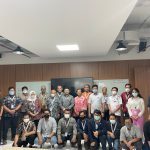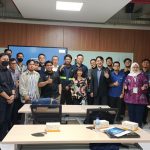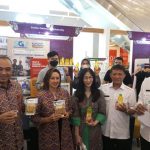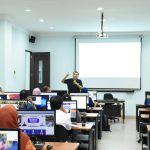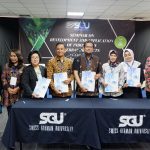
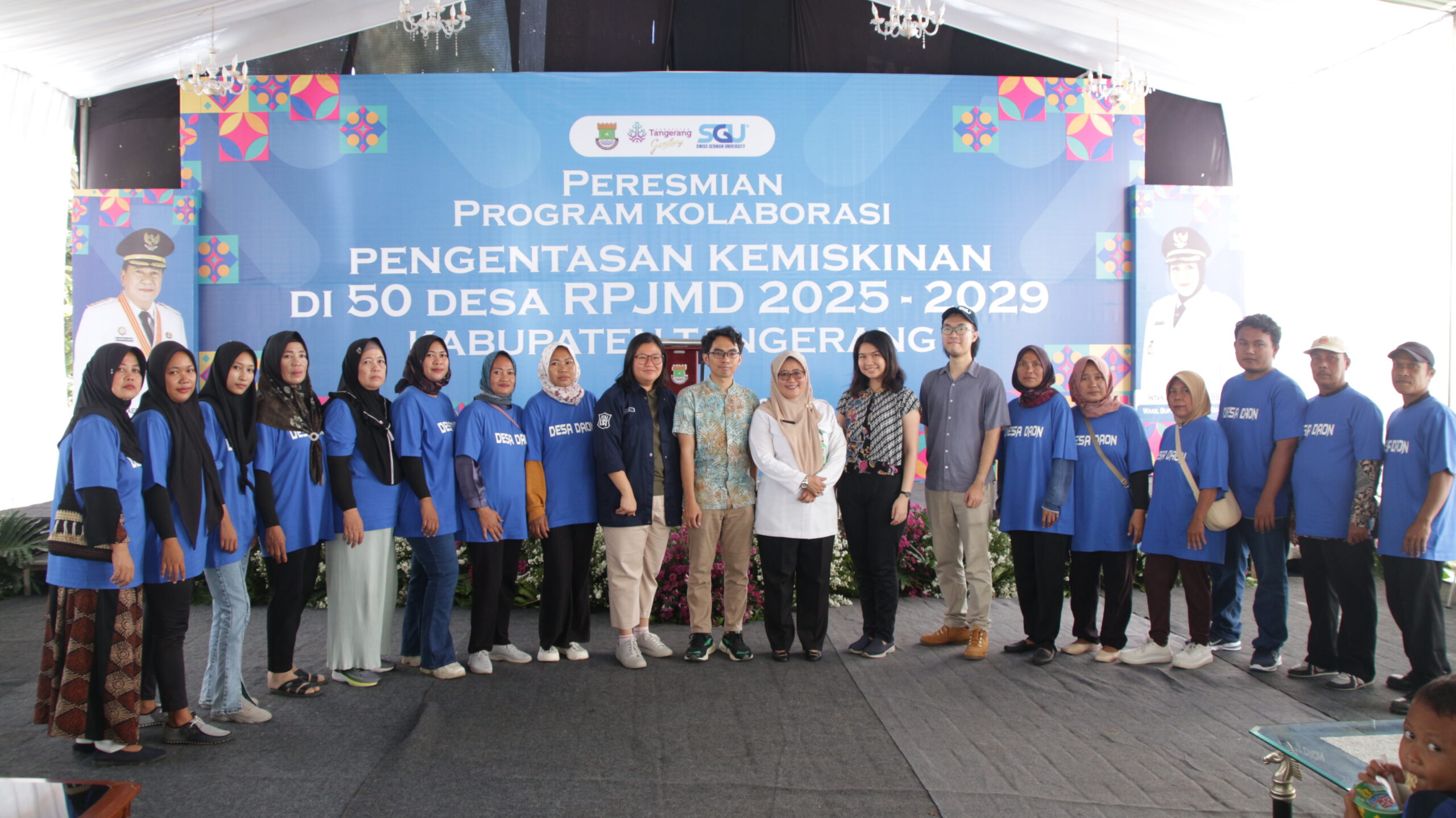
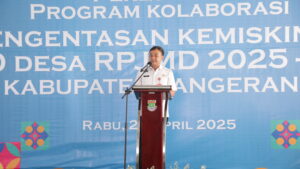
Tangerang, 23 April 2025 – A significant milestone in poverty alleviation efforts was marked by the inauguration of a strategic collaborative program between the Tangerang Regency Government and Swiss German University (SGU). This initiative signifies a strong joint commitment to improving the welfare of communities in 50 selected villages by utilizing the innovative research findings developed by SGU researchers.
At the heart of the program are two outstanding research innovations that serve as the foundation for community empowerment, particularly in enhancing food security and promoting local economic growth:
Tempe Semangit, developed by Maria Dewi P.T. Gunawan Puteri, M.Sc., Ph.D., a researcher and lecturer at SGU, is a creative advancement of traditional tempeh, enhanced through an extended fermentation process. This product not only boasts high nutritional value but also offers strong market potential, positioning it as a sustainable local commodity.
Candlenut Oil Enriched with Omega 3, 6, and 9, developed by Dr. Hery Sutanto, S.Si., M.Si., also a researcher and lecturer at SGU, is a vegetable oil rich in essential fatty acids. Recognized as a functional food with health-promoting benefits, this innovation also presents significant opportunities for commercialization.
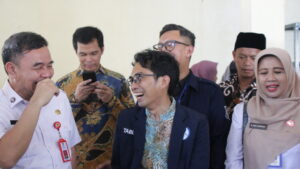
These two products will be integrated into local economic activities as new sources of income for village communities. The program includes comprehensive support in the form of skills training, business mentoring, and facilitated market access.
Assoc. Prof. Dr. Dipl.-Ing. Samuel P. Kusumocahyo, Rector of Swiss German University, emphasized the importance of academic contributions to societal progress, “At Swiss German University, we are committed to applying research for real-world impact. This collaboration is not just a program—it is a movement to empower communities with knowledge, innovation, and sustainable opportunities. We are proud to stand with the Tangerang Regency Government in turning academic excellence into lasting social change.”
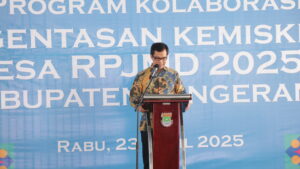
This partnership marks a progressive step in aligning academic innovation with local government initiatives to address poverty, drive economic development, and create a more resilient and independent rural society.